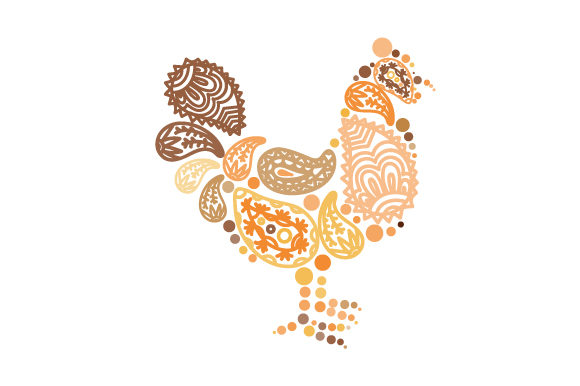
Chicken Made out of Paisley Patterns
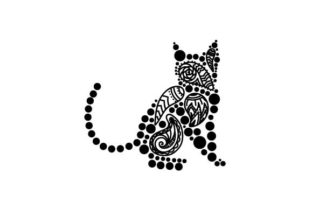
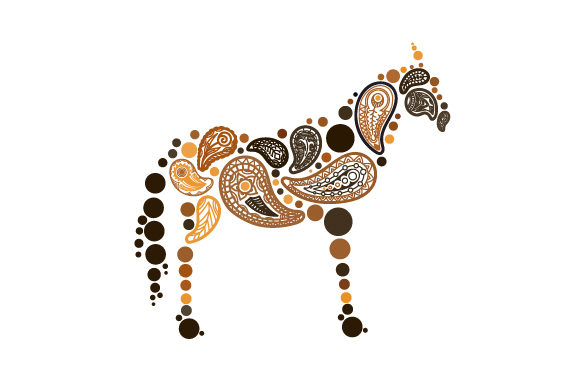
Chicken Made out of Paisley Patterns is a decorative design concept that merges the organic, stylized form of a chicken with the intricate, swirling motifs characteristic of paisley—a historic textile pattern rooted in Persian and Indian art. Rather than depicting a realistic poultry figure, this design uses repeated, interlocking paisley shapes—often arranged to suggest wings, feathers, a beak, or a rounded body—to compose the silhouette or essence of a chicken. The result is a visually rich, culturally resonant image suitable for surface design, digital illustration, craft projects, and print applications.
Why Consider Chicken Made out of Paisley Patterns?
Designers, crafters, and small-business owners often seek distinctive visual assets that balance recognizability with artistic nuance. A Chicken Made out of Paisley Patterns offers several compelling qualities: it is immediately legible as a chicken at a glance, yet rewards closer inspection with layered detail. Its fusion of animal motif and ornamental tradition lends versatility across contexts—from vintage-inspired packaging to modern wall art or fabric prints.
Interest in this design typically arises from practical needs rather than novelty alone. For example, someone developing a line of artisanal egg cartons may want branding that conveys both farm-fresh authenticity and handcrafted elegance. Others creating greeting cards, nursery decor, or boutique apparel might value its ability to signal warmth and whimsy without appearing juvenile or overly literal.
Key Benefits and Practical Advantages
One primary benefit lies in scalability and adaptability. Because the design is built from repeatable, vector-based elements, it retains clarity at any size—from a 1-inch embroidery motif to a 6-foot mural. The supplied file formats—SVG, transparent PNG, EPS, and DXF—support diverse production workflows: SVG for web use, transparent PNG for digital overlays, EPS for professional print, and DXF for laser cutting or CNC routing.
Another advantage is stylistic cohesion. Paisley’s flowing lines naturally mimic feather texture and movement, making the chicken form feel integrated rather than imposed. This supports consistent visual language when paired with other paisley-based assets—such as borders, backgrounds, or coordinating icons—reducing the need for additional custom illustration.
From a production standpoint, the transparency of the PNG and vector precision of SVG and EPS simplify integration into existing layouts. No background removal or manual tracing is required, saving time during mockup or manufacturing prep.
Tradeoffs and Realistic Expectations
While versatile, Chicken Made out of Paisley Patterns is not universally appropriate. Its ornamental density means it may lose impact at very small sizes (e.g., under 0.5 inches in print) or on cluttered backgrounds where fine details blur. It also assumes a degree of visual literacy: viewers unfamiliar with paisley may initially read the shape as abstract rather than avian, especially in simplified versions.
Color treatment significantly affects perception. A monochrome version emphasizes structure and line work but sacrifices the traditional richness associated with paisley. Conversely, highly saturated or gradient-filled variants may complicate reproduction in spot-color printing or embroidery, where color count and thread limitations apply.
It is also important to recognize that this is a stylistic interpretation—not a photorealistic or anatomically precise depiction. Those needing accurate poultry anatomy for educational materials, veterinary illustrations, or scientific contexts should look elsewhere.
When This Design Is a Strong Fit
A Chicken Made out of Paisley Patterns works well in scenarios prioritizing aesthetic harmony over strict realism. It suits brands or products with an established connection to heritage, craftsmanship, or global textile traditions—such as independent tea labels, handmade ceramics, or boutique stationery. Its rhythmic, hand-drawn quality also aligns with markets valuing slow design and tactile authenticity.
For makers using cutting machines, the DXF format enables direct use in vinyl plotting, wood engraving, or leather stamping—making it viable for physical product decoration without redesign. Similarly, SVG compatibility supports animated web elements (e.g., subtle hover effects on an e-commerce site), extending utility beyond static use.
Because the design avoids copyrighted or trademarked imagery, it poses low legal risk for commercial deployment—provided licensing terms are observed. This makes it a pragmatic choice for entrepreneurs seeking original, rights-cleared visuals without commissioning custom artwork.
When Alternatives May Be More Suitable
If your goal is immediate, unambiguous communication—such as labeling food products for broad retail audiences—a simplified, bold-outline chicken icon may perform more effectively. High-contrast, minimal silhouettes tend to scan faster and translate better across languages and age groups.
For technical or instructional applications—like agricultural training manuals or poultry husbandry guides—diagrammatic accuracy matters more than ornamentation. In those cases, anatomical line drawings or labeled photographs are functionally superior.
Likewise, if your brand identity relies on stark minimalism, mid-century modern aesthetics, or digital futurism, the ornate nature of paisley may clash tonally. A geometric chicken, flat-icon variant, or line-art interpretation would better support visual consistency.
Making an Informed Decision
Evaluating whether Chicken Made out of Paisley Patterns meets your needs starts with clarifying intent. Ask: What role does this image play? Is it supporting brand voice, enabling production, or fulfilling a functional requirement (e.g., identification, instruction, decoration)?
Next, consider context of use. Will it appear on textured paper, woven fabric, or a backlit screen? Test the transparent PNG against likely backgrounds. Import the SVG into your design software to verify editing flexibility—can you adjust stroke weight, recolor elements, or isolate sections for animation or layering?
Review the included formats against your workflow. If you rely heavily on Adobe Illustrator for print prep, EPS ensures compatibility. If you’re preparing files for a local sign shop using CorelDRAW, confirm DXF import stability. Not all DXF versions are equal; older software may require saving in AutoCAD 2000–2004 format for best results.
Finally, assess scalability needs. If you plan to use the design across multiple sizes—from social media avatars to trade show banners—preview how detail holds up. Zoom in and out digitally; print test swatches at varying dimensions. A design that reads clearly at 300 dpi on an A4 sheet may not resolve cleanly at 72 dpi on a mobile banner.
In summary, Chicken Made out of Paisley Patterns is a thoughtful convergence of motif and subject—one that serves specific creative and functional goals well. Its strength lies not in universal applicability, but in targeted resonance: when ornamental depth, cultural texture, and avian symbolism align with your project’s purpose, it offers a cohesive, production-ready solution worth considering alongside other stylistic options.